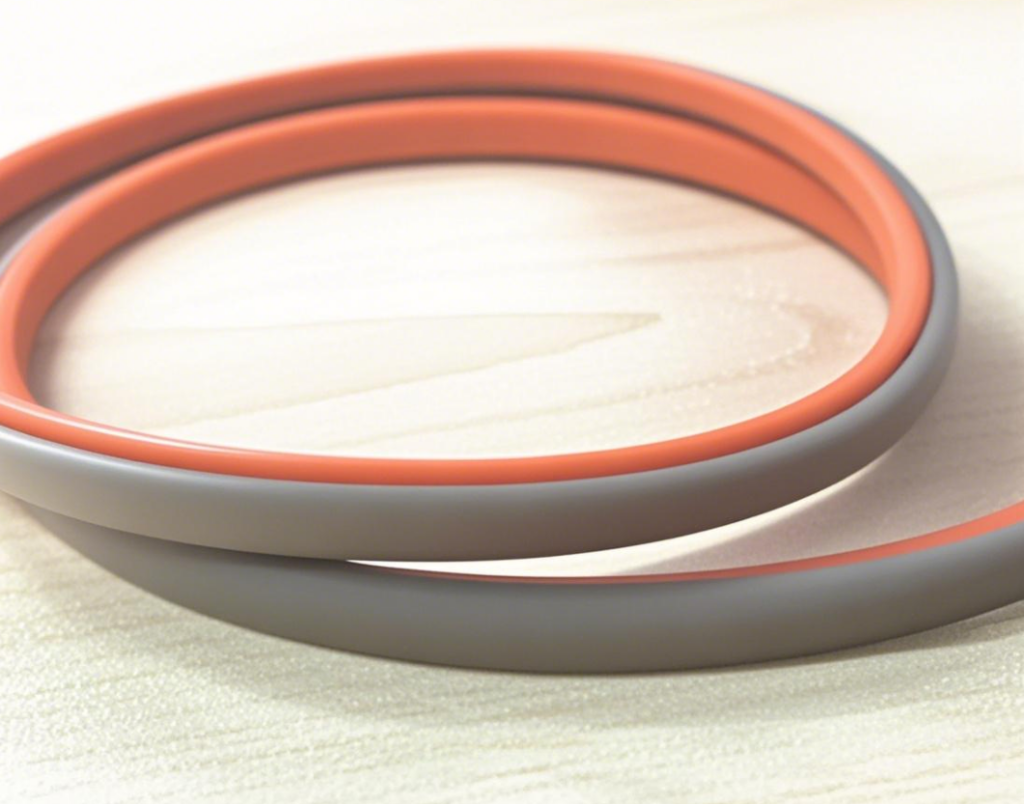
Commencing the present write-up introduces perspectives concerning silicone compound coupled with electron-flowing silicone rubber gaskets focused on RF suppression prevention.
Siloxane-based materials are largely deployed toward elastic purposes for reasons of their outstanding durability and physical tolerance. Though, their basic insufficiency of electroconductive capacity impedes their usefulness in defined high-tech deployments.
The fusion of charge conveying colloidal materials, Conductive SR especially silver-enhanced dispersed mixed with the silicone elastomer compound, generates a cooperative effect bringing about a conductive fabric able to high-performance radio frequency shielding.
Such strategies enable modules to resist interfering electromagnetic pollution.
Enveloping Electrical Segments: An Task of Silicone and Electron-carrying Seals
Powerful coating of digital modules is paramount in challenging scenarios. Dimethylsiloxane, with their excellent adaptability and physical persistence, extends outstanding humidity guard properties. Nonetheless in cases requiring electroconductive efficiency, conductive membranes, often produced from electron conducting compounds, is mandatory to avoid electrical interference and maintain stable activity. An melding of Dimethylsiloxane & shielding components constitutes a robust measure intended for achieving robust functionality in progressive appliances.
EMI Protection Seals: Enhancing Effectiveness via Electronically active Silver-infused Rubber coupled with dimethyl polysiloxane
{Dependable electrical pollution suppression barriers stand as necessary for guarding sensitive computer devices and networks from unwanted propagated transmitted noise. Contemporary designs often include a combination of conductive Silicone Rubber and Polydimethylsiloxane to deliver optimal output. Conductive SR provides notable electrical charge transfer, securing a robust electrical path for dispersing harmful signals. Meanwhile, PDMS offers remarkable flexibility, strain recovery, and climatic stability. Careful material evaluation and structuring techniques, such as a fine layer of SR within a PDMS matrix, optimize both shielding success and prolonged consistency.
- Evaluate multiple material combinations depending on application prerequisites
- Secure proper concealment stress for consistent contact
- Validate membranes regularly to assure effectiveness
The synergistic technique results in EMI barriers that offer unrivaled protection and lifespan.
PDMS Current-carrying SR Membranes: Conserving Electronics from Noise
With respect to complex device components, RFI interference is capable of prove deleterious effects, leading into defects in addition to facts loss. Dimethyl polysiloxane metallic silver-based rubber seals afford durable consistent option through granting proven strong enclosure against similar obstructions. These membranes, ordinarily made containing silicone elastomer composite matrix loaded with electroconductive particles, build optimized low electrical resistance route into return path, dissipating EMC including radiation frequency interference flux. That compliant arrangement ensures the reliable block specifically about uneven faces, forming themselves fit intended for cases targeting medical devices, data transmission facilities, coupled with many mechanical locations. Leveraging innovative PDMS conductive silicone rubber seal represents an preventive step for maintain system integrity including protect currently functioning steadiness.
Elevating Component Unit Insulation with Polydimethylsiloxane-Based EMC Suppression
Superior electronic section wrapping presents a notable difficulty in today's engineering due to increasing RF clutter. PDMS provides a superior plan when joined with electronically active additives to construct sturdy EMI blocking layers. This system not only augments system performance but also lowers possible risk of deterioration stemming from surrounding radio frequency issues.
Metallic SR Enhancement in PDMS Membranes for Better EMI Reduction
Cutting-edge seals fabricated from polydimethylsiloxane (PDMS), incorporating electronically conductive fillers, prove significantly improved mitigation performance against electromagnetic interference (EMI). The joining of compounds like carbon nanotube nanotubes or nickel particles provides a pathway for energy transmission movement, thereby creating a more tough electromagnetic barrier. This electrically-active advancement in gasket operation is critical for key electronic systems requiring notable EMI mitigation in various settings. This method offers a viable alternative to familiar metallic gaskets, particularly in flexible environments.
Opting for the Right EMI Shielding Gasket: PDMS vs. Conductive SR Substitutes
Determining correct radio frequency shielding pads needs thorough analysis of countless aspects. Commonly, conductive Silicone Rubber (Silicone-rubber) has functioned as a frequent preference; however, Polysiloxane Siloxane (Silicone elastomer) manifests as a viable substitute, chiefly where deformation heights are constrained or matrix cooperation is necessary. PDM delivers exemplary adaptability and can manage closer thresholds, notwithstanding maintaining good protection efficiency.
Next-generation Enclosure Strategies: PDMS, Electrically conductive Silver-loaded elastomer, and Technological apparatus Preservation
State-of-the-art enclosure frameworks are markedly indispensable for securing sensitive electronic components. Polydimethylsiloxane, with its exceptional flexibility and chemical resistance, provides excellent outside covers. On top of that, electric flow enabling silicone polymer helps ESD diffusion, blocking charge harm occurrences. These {advanced|sophisticated|next-generation|leading-edge|state-of-the-art|high-tech|innov