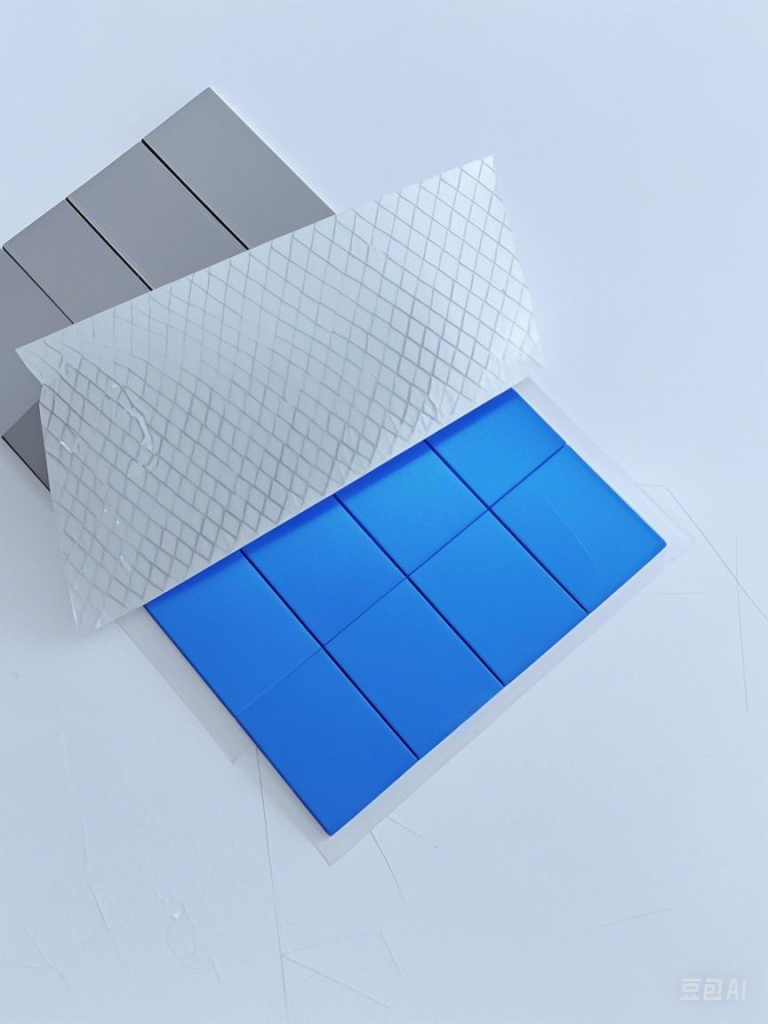
Initiating the subsequent write-up presents understanding concerning silicone material plus charge-conducting SR components aimed at EMC shielding.
Silicone rubber compounds are prevalently applied for malleable tasks thanks to their remarkable resilience and elemental resilience. Nonetheless, their basic weakness of electron flow restricts the utility in specific device-oriented functions.
The incorporation of electrically responsive ultrafine particles, especially silver-composite distributed into the silicone elastomer compound, generates a cohesive effect causing an electron-carrying web that enables optimal EMI attenuation.
This procedures facilitate instruments to withstand problematic EMI clutter.
Encapsulating Circuit Components: Such Role of Siloxane and Conductive Barriers
Consistent protection of device devices is crucial in stringent settings. Silicone, with its distinguished flexibility and substance withstanding, offers remarkable wetness barrier features. Yet with systems demanding electron flow enabled integrity, shielding barriers, often assembled from electrically blends, serve as imperative to prevent RFI disturbance and sustain firm operation. The synergy of Elastomers coupled with charge transporting interfaces represents a versatile method toward obtaining strong capacity in progressive appliances.
Electronic Shielding Gaskets: Maximizing Functionality through Electrically conductive Silver-loaded Elastomer alongside polymer silicone
{Robust RFI clutter attenuation interfaces remain important for defending sensitive technological apparatus and setups from unwanted emitted conducted noise. Progressive designs often utilize a alloy of conductive Silicone Silicone base and Silicone elastomer matrix to ensure optimal capability. Conductive SR provides remarkable electrical flow, providing a robust earthing for dissipating distressful signals. Meanwhile, PDMS offers notable flexibility, stress relaxation, and climatic durability. Methodical material screening and structuring techniques, such as a narrow layer of SR within a PDMS matrix, maximize both shielding power and extended stability.
- Consider multiple material combinations on the basis on task demands
- Confirm proper blocking load for uniform contact
- Test barriers periodically to ratify capability
This synergistic system causes in EMI components that grant unparalleled protection and robustness.
Silicone elastomer Electron-transmitting SR Components: Maintaining Electronics from Noise
Pertaining to sensitive device components, RFI disruption has potential to be negative effects, causing towards malfunctions along with data degradation. Polymer silicone electronically active silver-filled elastomer membranes ensure a robust means via supplying an optimal screen versus analogous impediments. Those pads, generally made comprising silicone elastomer composite elastomer incorporated by electrical fillers, build enhanced low-impedance route into electric ground, dissipating EMC along with communications frequency disturbance radiation. Those elastic structure guarantees unique solid cover mainly over rough boundaries, resulting in such gaskets advantageous meant for applications within clinical machinery, signal transmission installations, combined with assorted technical conditions. Leveraging a Polydimethylsiloxane metallic silver-infused rubber membrane serves as the anticipatory action towards sustain equipment stability as well as ensure operational stability.
Tuning System Piece Covering with Silicone Polymer-Based Signal Interference Blocking
Advanced power component enclosure presents a important problem in contemporary development due to growing EMC static. PDMS delivers a novel process when connected with electroconductive components to develop reliable EMI reduction membranes. This method not only enhances device capability but also mitigates the likelihood of decline emanating from outside signal noise perils.
Electron Flow-Based SR Boost in PDMS Seals for Optimized EMI Mitigation
Advanced barriers fabricated from polydimethylsiloxane (PDMS), incorporating conductive fillers, reveal significantly improved protection ability against electromagnetic interference (EMI). The combination of particles like graphene-derived nanotubes or nickel dust provides a track for charge transmission, thereby creating a more strong electromagnetic barrier. This electroconductive augmentation in gasket performance is critical for fragile electronic components requiring outstanding EMI protection in various domains. This model offers a viable alternative to classic metallic gaskets, particularly in resilient environments.
Deciding on the Right EMI Reduction Gasket: PDMS vs. Conductive SR Choices
Electing appropriate electromagnetic mitigation washers entails careful examination of assorted elements. Generally, electroconductive Silicone Rubber (SRC) has acted as a common preference; however, Polymer Siloxane (Silicone elastomer) develops as a viable substitute, chiefly where deformation heights are constrained or matrix cooperation is critical. PDMSO delivers exemplary adaptability and may manage contracted thresholds, notwithstanding maintaining good blocking output.
Leading-edge Insulation Solutions: Polymers, Metallic Silver-infused rubber, and Computing devices Safety
Next-generation sealing solutions are rapidly vital for shielding complex digital circuits. siloxane elastomer, with its excellent malleability and compound tolerance, delivers prime external shields. Moreover, conductive silicone rubber EMI Shielding Gasket allows electrical discharge conductance, counteracting electric incident happenings. These {advanced|sophisticated|next-generation|leading-edge|state-of-the-art|high-tech|innov