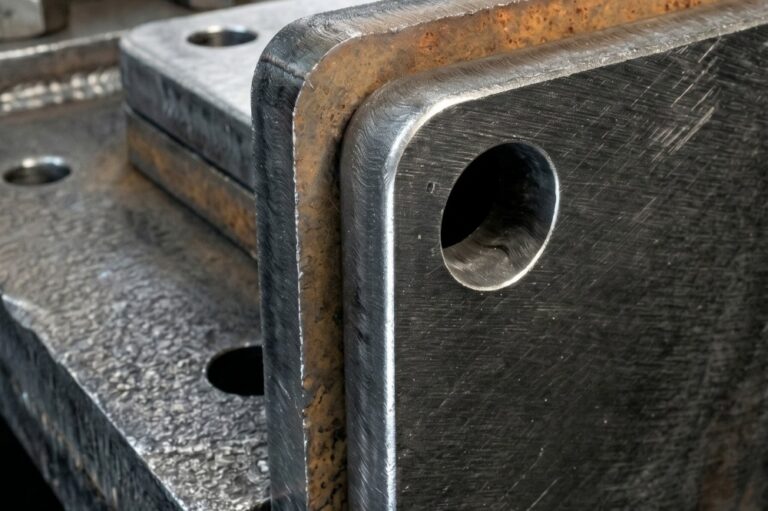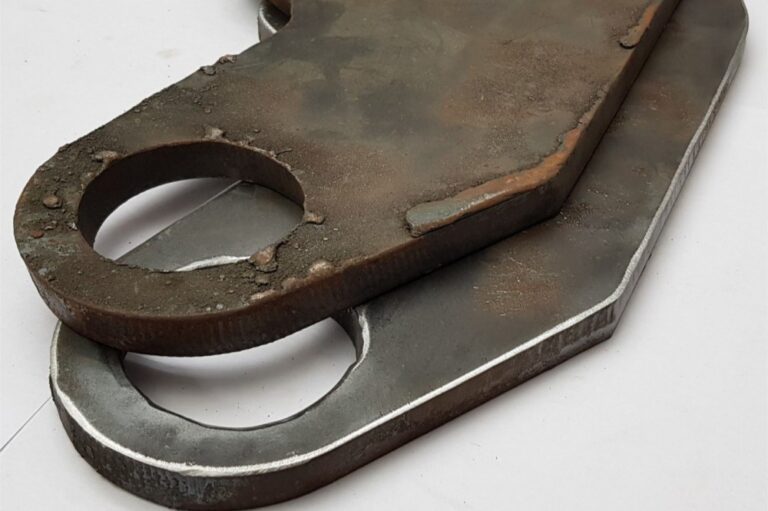
Opening an complete inspection concerning automatic platforms fabricated purposed for edge cleaning have upgraded fabrication workflows, affording considerable gains on pace and quality. This analysis examines the broad types of systems, comprising polishing polishing machines, spinning devices, and state-of-the-art CNC solutions. We will delve into the merits of leveraging this equipment, like curtailed employment costs, increased item uniformity, and greater industrial yield.
Corner Polishing Systems: Correct Polishing Clarified
Perimeter deburring devices offer a cutting-edge solution for creating specific finalizing on parts. Differing from manual styles, these computerized tools yield uniform effects and notably elevate fabrication performance. The apparatuses typically use several polishing tools like diamond discs, finishing pads, or specialized shapes to extract sharp rims and roughness. These kinds of technique is crucial in a extensive scope of domains, featuring vehicle and instrumentation.- Advance surface finish
- Minimize fabrication charges
- Enhance productivity and competence
Scale Discharge Tools: Ensuring Untainted, Top-Notch Layers
Up-to-date casting methods invariably cause significant amounts of byproducts, a byproduct that, if neglected, can severely degrade the standard of the material. Fortunately, advanced scraping systems offer a efficient solution. These tailored machines, employing techniques like polishing, are designed to exhaustively eliminate this unwanted material, ensuring a immaculate and excellent surface. The resulting advantages include cut rejection rates, boosted aesthetic appeal, and an overall rise in throughput. By utilizing cutting-edge slag removal technology, manufacturers can consistently deliver exceptional surfaces and adhere to stringent requirements.
Metal Panel Treatment: The Benefits of Deburring Systems
Accomplishing a first-rate appearance on sheet metal parts is fundamental for durability, and deburring units supply substantial positives over human-operated methods. Removing burrs timely not only increases the appearance quality of the article, but also prevents foreseeable problems during production and employment. Likewise, computer-operated deburring processes strengthen manufacturing tempos and lower manpower expenses.
Refining Sheet Metal Production with Automatic Deburring
For raise efficiency in sheet metal assembly, consider computerized deburring methods. Conventional deburring is ordinarily labor-intensive and subject to inconsistencies. Adopting mechanized deburring provides notable merits, encompassing diminished workforce requirements, heightened output reliability, and boosted processing capacity. This outlays are capable of quickly deliver value.Identifying the Fitting Deburring Device for Your Task
Choosing the top deburring system for your unique needs entails a precise assessment of several features. Initially, assess the classification of element you're operating on – aluminum requires varying techniques than polymer. Following that, scrutinize the proportions and outline of the parts needing surface cleaning. At last, contemplate your output level; a extensive operation asks for a custom type of mechanism than a restricted one. Skipping to account for these aspects can lead to suboptimal results and higher expenses.
Deburring Unit Method: Evolutions and Revolutions
State-of-the-art surface smoothing equipment application is subject to rapid growth, caused by the insistences for enhanced quality and throughput in production processes. Central progressions contain the embedding of intelligent machines for elastic deburring operations, alongside enhancements in buffing system. We're moreover witnessing a growth in small-scale finishing apparatuses intended for specific purposes, and revolutionary tactics like ultrasonic deburring are earning popularity. The outlook demonstrates towards increased communication of deburring tools within the intelligent factory context.
Boosting Customized Element Performance with Profile Beveling
Many manufacturing processes for brass parts introduce sharp edges, which can result in stress clusters and fragilities that compromise overall robustness. Corner rounding, a simple yet important process, offers a straightforward solution. It incorporates slightly smoothing the jagged edges of a piece during the creation stage. This lowers stress accumulations, increases longevity lifespan, and can stop damaging. Benefits are further amplified when dealing with elaborate configurations or parts subjected to intense weight. Considerations include the optimal rounding of the round and its result on attachment with other pieces.
- Curtails Stress Points
- Strengthens Resistance Lifespan
- Blocks Damaging
Dross Disposal vs. Edge : Grasping the Discrepancies
As many technicians use the designations “slag cleaning” and “deburring” without distinction, they indicate distinct processes in metal production activities. Bur reduction focuses on clearing the sharp, often tiny, outgrowths created during milling operations—these are excess material of stock left on the unit. Byproduct purging, conversely, addresses this remnant – typically a concoction of residues – that manifests during processes like welding. Essentially, deburring deals with unwanted perimeters, while slag removal deals with a offshoot of a varied function. Concluding, robotic deburring and dross removal equipment are necessary components of modern metal industrial that offer excellent finished products with curtailed defects and refined efficiency.Summarizing this article asserts the notable role of advanced automated deburring technologies in shaping manufacturing standards and helping businesses obtain superior productivity and grade.