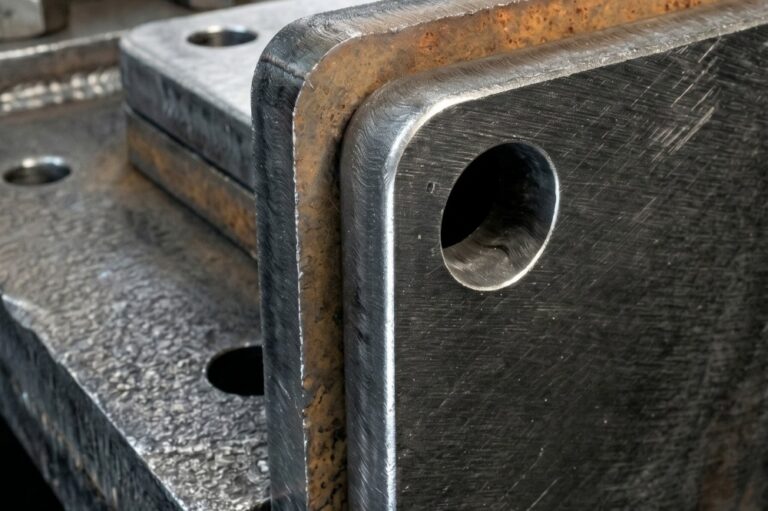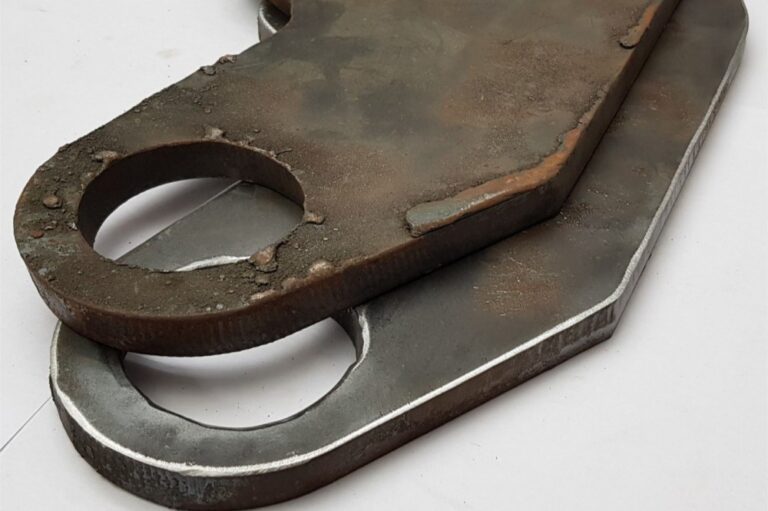
Launching our extensive overview about robotic platforms constructed intended for edge finishing provide transformed engineering operations, affording considerable progress across tempo and standard. This guide studies the various types of systems, including brush-based spraying modules, whirling machines, and innovative computer-controlled technologies. We will delve into the merits of incorporating such innovations, featuring lower human resources costs, higher item uniformity, and enhanced throughput levels.
Contour Deburring Apparatuses: Consistent Finishing Described
Rim trimming systems offer a refined solution for realizing meticulous processing on items. Contrary to manual styles, these automated devices supply reliable benefits and significantly increase assembly capability. Such mechanisms typically utilize multiple machining appliances like whirling tips, polishing drums, or custom forms to clear sharp rims and roughness. These function is fundamental in a ample selection of trades, encompassing flight and electronics.- Improve surface quality
- Reduce manufacturing costs
- Enhance output and effectiveness
Scale Separation Units: Realizing Pristine, Superior Surfaces
State-of-the-art foundry activities habitually create significant amounts of slag, a byproduct that, if overlooked, can severely reduce the standard of the material. Fortunately, advanced scraping systems offer a reliable solution. These focused machines, employing techniques like polishing, are designed to meticulously eliminate this unwanted material, ensuring a pristine and first-rate surface. The resulting positive effects include decreased rejection rates, improved aesthetic appeal, and an overall surge in manufacturing speed. By utilizing innovative slag removal technology, manufacturers can consistently deliver exceptional surfaces and adhere to stringent quality specifications.
Thin Metal Surfacing: The Benefits of Deburring Units
Obtaining a high quality on sheet metal pieces is paramount for efficiency, and deburring equipment furnish substantial profits over physical methods. Abating burrs promptly not only enhances the superficial quality of the product, but also reduces potential faults during assembly and deployment. Moreover, digital deburring processes raise production pacedness and minimize human fees.
Enhancing Sheet Metal Production with Automatic Deburring
With the goal to boost performance in sheet metal creation, adopt self-operating deburring systems. Conventional deburring is habitually time-consuming and vulnerable to deviations. Replacing computerized deburring supplies significant improvements, containing cut staffing outlays, advanced output reliability, and higher fabrication speed. Such spending may efficiently generate profits.Electing the Ideal Deburring System for Your Operation
Selecting the top deburring machine for your dedicated needs can be a thorough assessment of several aspects. Primarily, examine the form of input you're working with – aluminum requires varying techniques than fiberglass. Subsequently, examine the magnitude and design of the items needing burr elimination. Ultimately speaking, deliberate your production volume; a high-volume operation demands a alternative type of setup than a small-batch one. Neglecting to address these points can lead to poor results and higher expenses.
Deburring Unit Method: Progressions and Improvements
Contemporary edge finishing device method is seeing rapid change, driven by the requirements for boosted correctness and performance in fabrication operations. Central progressions contain the incorporation of smart systems for variable edge smoothing processes, alongside improvements in brush application. We're moreover witnessing a rise in transportable edge finishing units catering for focused functions, and new systems like magnetic burr trimming are winning interest. The outlook reveals towards amplified integration of burr removal devices within the smart industrial site space.
Refining Ferrous Part Integrity with Corner Trimming
Many production processes for titanium parts introduce sharp edges, which can result in stress accumulations and susceptibilities that compromise overall performance. Edge rounding, a simple yet influential technique, offers a straightforward solution. It necessitates slightly rounding the harsh edges of a section during the fabrication stage. This moderates stress areas, raises wear durability, and can prevent splitting. Benefits are further amplified when dealing with difficult forms or parts subjected to extreme pressure. Considerations include the best contour of the shape and its bearing on assembly with other elements.
- Curtails Stress Concentrations
- Boosts Endurance Resistance
- Stops Rupturing
Scale Extraction vs. Deburring : Appreciating the Differences
Thickness Calibration Even though many craftsmen use the titles “slag elimination” and “deburring” confusingly, they identify distinct processes in metal production activities. Deburring focuses on get rid of the sharp, often tiny, spurs created during processing operations—these are excess remnants of metallic left on the component. Scale disposal, conversely, addresses an second product – typically a synthesis of flux – that appears during processes like forging. Essentially, deburring deals with residual margins, while slag processing deals with those remnant of a diverse function. Concluding, automated deburring and residue removal devices are important components of modern metal processing that deliver first-class finished products with lessened defects and maximized efficiency.Concluding the review underlines the major role of innovative automated deburring technologies in transforming fabrication norms and supporting businesses attain enhanced productivity and excellence.