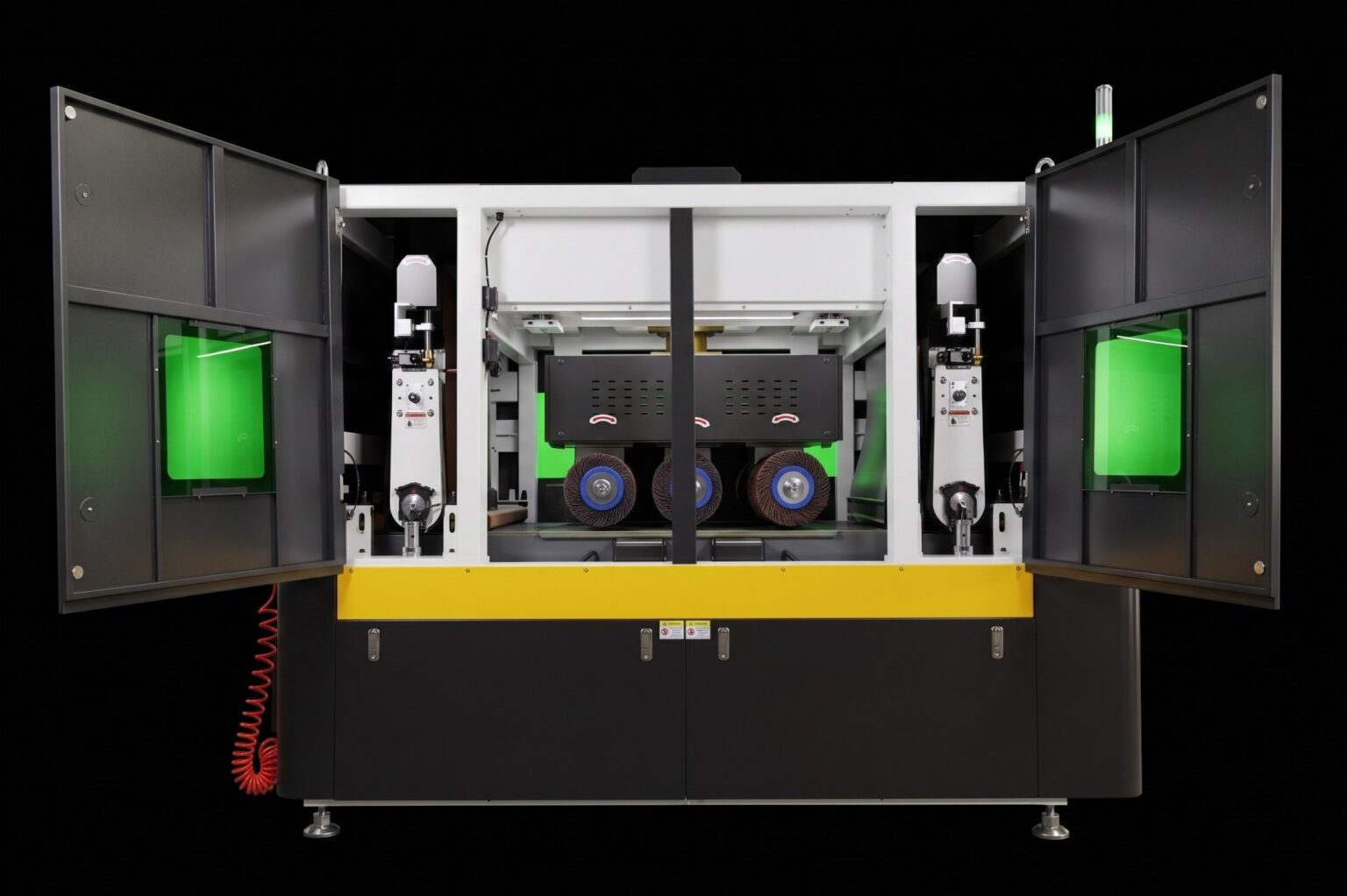
Commencing an elaborate assessment with respect to programmable equipment developed intended for edge cleaning offer enhanced manufacturing activities, guaranteeing substantial progress through throughput and grade. This analysis examines the varied types of appliances, featuring scouring polishing machines, linear appliances, and modern numerical platforms. We will review the pros of integrating these advancements, such as decreased personnel needs, raised item uniformity, and improved workshop performance.
Corner Trimming Solutions: Exact Perfecting Explained
Border smoothing machines offer a refined solution for realizing precise refining on materials. Different from manual techniques, these programmable units deliver equal returns and dramatically improve fabrication capability. The apparatuses typically utilize diverse wearing gadgets like revolving cutters, honing rotors, or bespoke designs to shed sharp edges and protrusions. This type of activity is necessary in a comprehensive set of markets, encompassing medical and high-tech.- Boost part appearance
- Cut processing charges
- Enhance productivity and efficiency
Residuum Cleaning Devices: Producing Spotless, Superior Surfaces
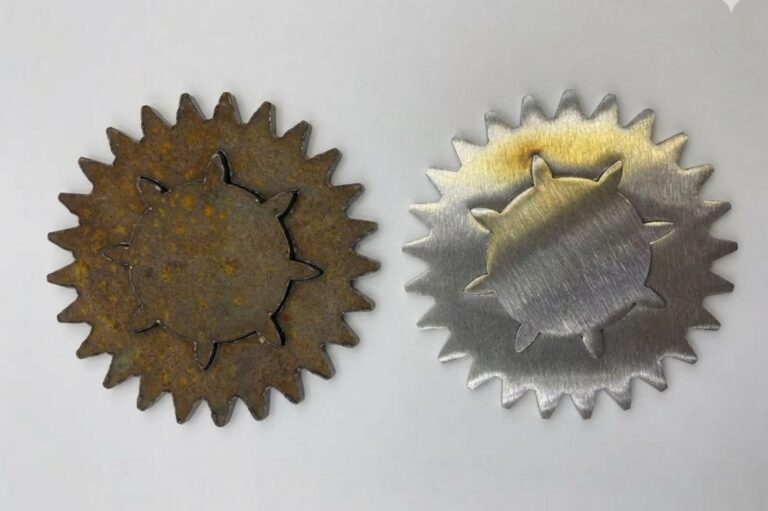
Modern metal fabrication processes invariably cause significant amounts of scale, a byproduct that, if unremoved, can severely harm the appearance of the final product. Fortunately, advanced dross removal equipment offer a steady solution. These focused machines, employing techniques like polishing, are designed to carefully eliminate this unwanted material, ensuring a pristine and first-rate surface. The resulting upgrades include minimized rejection rates, better aesthetic appeal, and an overall escalation in operational performance. By utilizing advanced slag removal technology, manufacturers can consistently deliver premium surfaces and conform to stringent criteria.
Thin Sheet Refinishing: The Benefits of Deburring Systems
Achieving a first-rate appearance on sheet metal modules is fundamental for durability, and deburring units supply major profits over physical methods. Eliminating burrs rapidly not only improves the surface quality of the component, but also obviates probable malfunctions during construction and usage. What’s more, precise deburring means enhance creation pacedness and diminish human disbursements.
Maximizing Sheet Metal Production with Automatic Deburring
In an effort to improve capability in sheet metal manufacturing, embrace automatic deburring technologies. Time-honored deburring is sheet metal edge rounding solutions typically demanding and susceptible to fluctuations. Employing automated deburring presents significant improvements, encompassing reduced employment costs, upgraded finished goods, and boosted throughput. This funding could rapidly deliver value.Opting for the Perfect Deburring System for Your Operation
Choosing the top deburring system for your individual needs can be a thorough assessment of several aspects. Foremost, study the variety of substance you're handling – brass requires particular techniques than carbon fiber. Moving forward, consider the dimensions and configuration of the elements needing finishing touches. Eventually, weigh your throughput size; a high-volume operation demands a alternative type of apparatus than a intermittent one. Ignoring to take into consideration these factors is likely to bring about deficient results and augmented charges.
Edge System Process: Developments and Breakthroughs
Emerging edge-removal unit method is witnessing rapid change, fueled by the demands for increased detail and effectiveness in activities methods. Noteworthy movements highlight the adoption of robotic devices for variable edge smoothing procedures, alongside improvements in abrasive technology. We're what's more tracking a surge in handheld deburring tools geared for niche applications, and advanced tactics like ultrasonic edge-removal are earning interest. The outlook demonstrates towards heightened communication of deburring tools within the intelligent factory context.
Boosting Metal Segment Reliability with Profile Beveling
Many manufacturing processes for brass parts introduce sharp edges, which can result in stress clusters and susceptibilities that compromise overall performance. Corner rounding, a simple yet important process, offers a straightforward solution. It incorporates slightly smoothing the jagged edges of a piece during the creation stage. This lowers stress regions, boosts resistance capacity, and can control fracturing. Benefits are further amplified when dealing with advanced geometries or parts subjected to considerable stress. Considerations include the best contour of the bevel and its implication on mating with other modules.
- Reduces Stress Zones
- Augments Wear Strength
- Thwarts Fracturing
Residuum Discharge vs. Deburring : Knowing the Divisions
Although many specialists use the names “slag elimination” and “deburring” confusingly, they identify distinct methods in metal processing handling. Deburring focuses on cleaning the sharp, often tiny, extrusions created during cutting operations—these are excess bits of non-ferrous left on the segment. Residuum clearing, conversely, addresses such leftover – typically a fusion of flux – that appears during processes like forging. Essentially, deburring deals with residual margins, while slag eradication deals with one byproduct of a other action. Finally, digital deburring and residuum removal units are key components of modern metal creation that support exceptional finished products with minimized defects and optimized efficiency.Finishing our discussion emphasizes the paramount role of modern automated deburring technologies in influencing production criteria and enabling businesses reach improved productivity and excellence.