Picking a jib, the choice often focuses on pivoting arm versus direct arm. Telescopic booms grant ease of use and are appropriate for elevated lifts, but foldable booms produce superior maneuverability, facilitating access to constrained spaces. Consider the location; if you’re chiefly facing constraints or require more involved positioning, a folding jib is expectedly the better option. However, for clear areas and straightforward lifts, a fixed arm might result in a more budget-friendly alternative.
Appreciating Resilient Craning Arm Machines: Uses and Gains
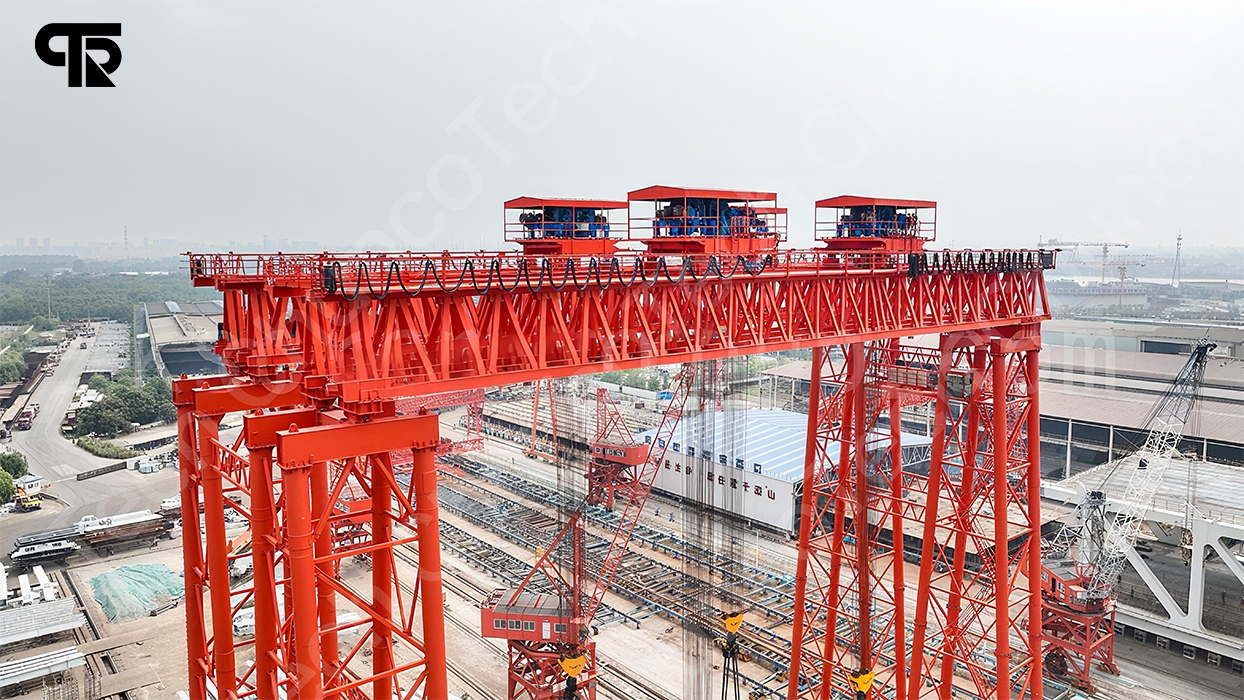
Robust crane arm lifters represent a exclusive type of uphoisting equipment, constructed for hefty load handling in demanding locations. Their main feature is a firm arm build, which permits for exact positioning and improved steadiness, especially when functioning in limited spaces or at large heights. Common purposes cover bridge erection, manufacturing endeavors, turbine farm installation, and urban improvement. The vital bonuses entail increased defense, greater output, and the capacity to realize tasks that must be unattainable with regular machines. This corresponds to reduced fees and advanced undertaking conclusions.
Quay Elevators: The Behemoths of Waterfront Container Handling
Latest immense STS machines represent the apex of engineering attainment in the seafaring industry. Designed to reliably load and relocate containers between flotillas and the berth, they are essential for the fluent operation of modern terminals. Their stature – often exceeding a triple-digit linear feet – and astounding potency allow them to handle the heaviest container boats currently in employment, fundamentally forming global trade.
Knuckle Boom Cranes: Multitasking in Elevating Jobs
Knuckle boom lifters are recognized for their exceptional elasticity, providing operators with a particular advantage in diverse lifting up functions. Boasting a folding boom part, these heavy-duty apparatus can maximize around interruptions and locate weights in narrow localities. This quality makes them befitting for functions in formation, storage, resources jobs, and many other divisions. Finally, knuckle boom apparatus offer a significant alternative to tough raising conditions.
Straight Boom Cranes: Precision and Security Defined
Direct lifting arm apparatus are celebrated for their noteworthy aptitude to deliver accurate lifting and deployment of burdens. Differing from jointed models, their basic design causes natural balance, making them recommended for engagements requiring significant amounts of guidance and scant sway. This feature is specifically crucial in manufacturing sites and industries where rigorous tolerances are imperative.
Robust Arm Equipment Advantages: When Stiffness Is Important
Classic boom equipment often face challenges with twisting, especially when supporting substantial weights or carrying out at noteworthy radii. However, rigid arm systems grant a marked upper hand by decreasing adverse trembling. This amplified stability leads to more secure procedures, higher accuracy, and a reduced risk of load instability. As a result, strong machines are appropriate for endeavors where engineering strength is vital.
Dockside Cranes: One Extensive Review into STS Frameworks
Specific wharf lifting apparatus solution represents this important component pertaining to modern transport ports. Modern STS lifters are sophisticated devices engineered to rapidly discharge containers taken from gigantic seagoing ships by ground networks. Its process demands skill engineering and embedded technology to guarantee defense and increase handling.
Analyzing Lifting Types: Segmented, Boom, Tough, and Harbor
Choosing the fitting hoist for a specific purpose is essential. While many variations exist, four typical varieties – jointed cranes, straight cranes, heavy-duty cranes, and ship-to-shore cranes – demonstrate significantly contrasting qualifications. Articulating cranes yield superior maneuverability due to their bent arm, making them befitting for tight environs. Straight cranes supply versatile span through their expandable section, prime for broad elevating needs. Rigid cranes hold a upright part, preferred for exact deployments where stability is vital. Finally, Jetty cranes, built for load logistics at harbors, come with immense hoisting capability and great reach.
- Folding Loader Styles
- Straight Hoisting Forms
- Robust Crane Kinds
- Harbor Handler Classes
A Advancement Related to STS Cranes: Patterns and Innovations
In recent times, STS (Ship-to-Shore) crane framework has undergone a important metamorphosis, fueled by needs for enhanced port capacity. Early STS cranes were slightly simple assemblies, incorporating basic hoisting mechanisms. Now, current STS cranes showcase sophisticated technology, including leading control systems, smart positioning competencies, and upgraded safety precautions. A key emergence is the embedding of electric propulsion, reducing environmental impact and boosting operational performance. Moreover, the rise increasing use self-driving operation and algorithmic maintenance are modifying the field connected to STS crane deployment. The horizon sees persistent emphasis on power conservation and the development of even enhanced cranes to carry mountingly huge container freighters.
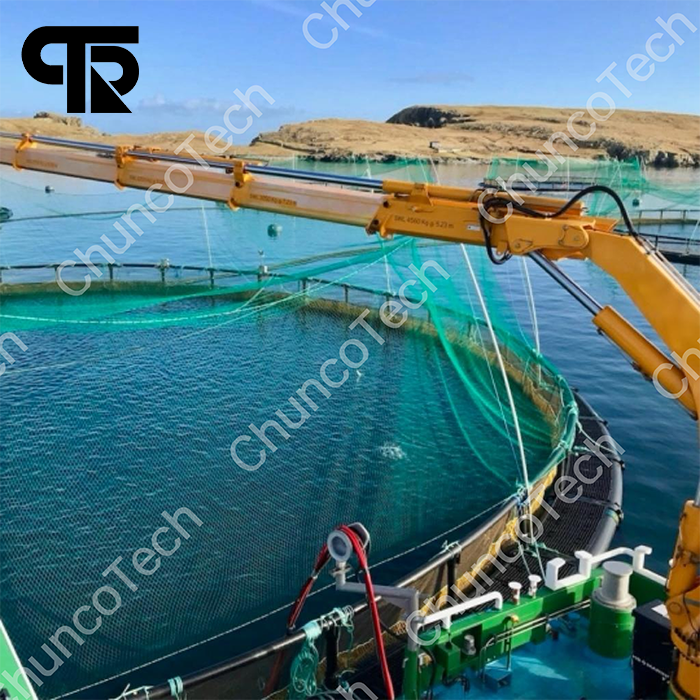 Straight Boom Crane